
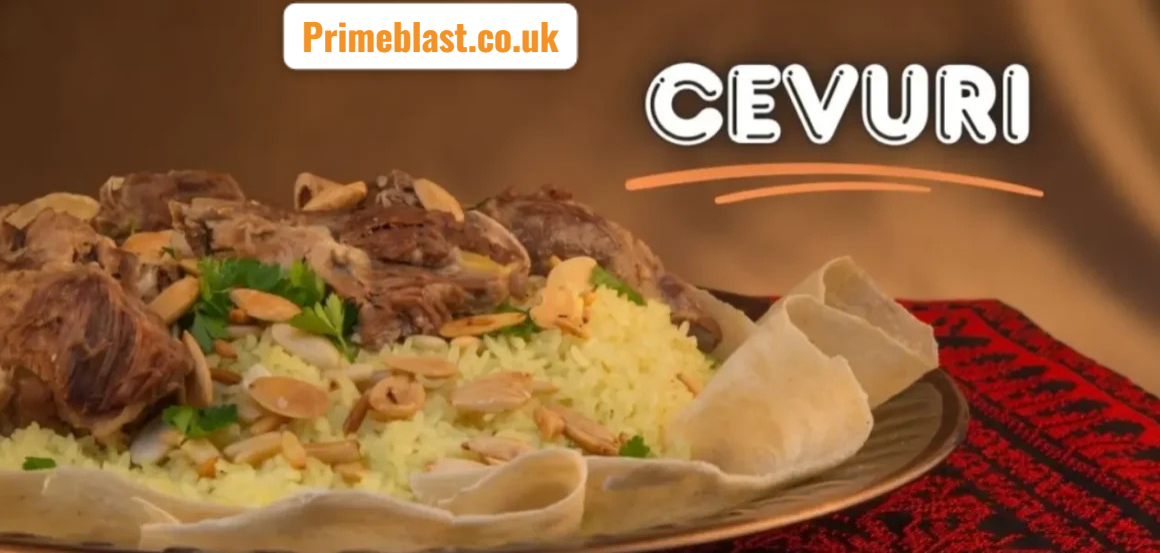
Cevurı is a traditional Turkish dish featuring lamb or beef slow-roasted on a spit or rotisserie. Known for its tender, juicy meat and rich flavors, it’s seasoned with simple spices and cooked evenly over a flame. Popular in Turkish cuisine, Cevurı is often served during festive occasions, family gatherings, and in specialty restaurants for its authentic taste and cultural significance.
Cevurı is a classic Turkish culinary tradition, celebrated for its succulent roasted lamb and beef. This article explores the origins of the dish, the authentic preparation methods, and tips to achieve perfect flavor and tenderness. From selecting the right meat to seasoning and roasting techniques, you’ll learn everything needed to make Cevurı at home or appreciate it in restaurants. Whether you’re a food enthusiast or a chef, this guide captures the essence of Turkish cuisine.
The Origin and Cultural Significance of Cevurı in Turkey
Cevurı has deep roots in Turkish culinary history, originating as a traditional method for roasting large cuts of meat over an open flame. Historically, it was prepared for special occasions, weddings, and celebrations, symbolizing generosity and hospitality. The slow-roasting technique allows the meat to retain its natural juices, while aromatic spices enhance the flavor. Today, Cevurı remains a cultural staple, enjoyed both in homes and specialty restaurants, offering a taste of Turkey’s rich gastronomic heritage.
Choosing the Right Meat for Perfect Cevurı
Selecting quality meat is essential to authentic Cevurı. Lamb and beef are the most traditional options, preferably with some fat marbling to ensure juiciness during roasting. Cuts like leg of lamb, shoulder, or ribeye are ideal for slow roasting. Fresh, high-grade meat not only improves texture but also absorbs seasoning better, enhancing flavor. Always ensure the meat is properly trimmed, but leave enough fat to keep it tender and succulent throughout the cooking process.
Traditional Spices and Seasonings Used in Cevurı
The flavor of Cevurı comes from simple, aromatic spices that complement rather than overpower the meat. Common seasonings include salt, black pepper, garlic, paprika, and sometimes oregano or thyme. Some regional variations also use yogurt or olive oil to marinate the meat before roasting. These spices penetrate the meat slowly, creating a rich, savory flavor profile that is both authentic and irresistible, making Cevurı a signature dish in Turkish cuisine.
Preparing the Meat for Roasting
Proper preparation ensures even cooking and maximum flavor. Begin by marinating the meat with spices and oil for several hours or overnight. This allows the seasonings to penetrate deeply. Next, skewer or secure the meat on a rotisserie or spit, ensuring it rotates evenly. For oven preparation, place the meat on a roasting rack to allow heat to circulate. Correct preparation is the key to achieving the tender, juicy texture that defines authentic Cevurı.
Traditional Rotisserie vs. Oven Roasting Methods
Authentic Cevurı is traditionally roasted over an open flame on a rotisserie, allowing the meat to cook slowly and evenly while retaining juices. However, home cooks can also use an oven or grill. Oven roasting requires a consistent low temperature and periodic basting to mimic the slow cooking process. Both methods can produce delicious results, but the rotisserie method offers a slightly smokier flavor and the traditional texture that makes Cevurı unique.
Step-by-Step Cooking Process for Cevurı
Cooking Cevurı requires patience. Start by preheating the rotisserie or oven to a low heat. Slowly roast the meat, turning it regularly to ensure even cooking. Baste occasionally with its own juices or a light spice-oil mixture to maintain moisture. Depending on the cut and size, cooking may take several hours. The meat is done when the exterior is golden brown and the interior is tender, juicy, and perfectly cooked.
Tips for Achieving Maximum Juiciness and Flavor
To get the perfect Cevurı, maintain a consistent low temperature and avoid rushing the cooking process. Marinating the meat overnight enhances flavor. Basting the meat during roasting keeps it moist and rich. Rest the meat for 10–15 minutes after cooking before slicing, which allows juices to redistribute. Using these techniques ensures a tender, flavorful result that captures the traditional essence of Turkish Cevurı.
Also read this: Crocolini Hidden Benefits: Nutrition, Cooking Tips & Health Guide
Serving Cevurı the Traditional Turkish Way
Cevurı is best served hot and fresh, often accompanied by rice, bulgur, or flatbread. Traditional Turkish sides include roasted vegetables, fresh salads, and yogurt-based sauces. Slicing the meat thinly ensures every bite is tender and flavorful. Family-style presentation, where everyone serves themselves from the roasted meat, reflects Turkish dining customs, emphasizing sharing, hospitality, and celebration.
Pairing Drinks and Sides with Cevurı
Cevurı pairs well with both non-alcoholic and alcoholic beverages. Traditional pairings include ayran (a yogurt-based drink), fresh lemon water, or Turkish tea. For wine enthusiasts, light reds or dry whites complement the meat’s flavors. Sides like grilled vegetables, tomato salad, or spiced rice enhance the overall dining experience. Choosing the right accompaniments elevates the dish while maintaining its authentic cultural taste.
Regional Variations of Cevurı Across Turkey
Different Turkish regions add unique twists to Cevurı. In some areas, lamb is preferred; in others, beef dominates. Spice blends and marinades may vary slightly depending on local tastes. Coastal regions might include olive oil and herbs, while central Turkey emphasizes paprika and garlic. Understanding these regional differences adds depth to the culinary experience and allows cooks to experiment while still honoring tradition.
Common Mistakes to Avoid When Making Cevurı
Overcooking or using excessively high heat are the most common mistakes when preparing Cevurı. This can dry out the meat and ruin its tender texture. Skipping marination or uneven seasoning also reduces flavor. Additionally, not resting the meat after cooking can cause juices to run out, leaving it dry. Avoiding these errors ensures a successful, authentic Turkish roast that’s juicy, flavorful, and satisfying.
How Restaurants Maintain Authentic Cevurı Flavor
Specialty restaurants often use professional rotisseries, consistent spice blends, and careful temperature control to maintain authentic flavor. Experienced chefs monitor cooking times and basting techniques closely. Many also source high-quality local lamb and beef to ensure tenderness. Observing these practices helps home cooks understand why restaurant Cevurı tastes exceptional and provides inspiration for replicating the dish at home.
Making Cevurı at Home: Tools You’ll Need
Home preparation requires some essential tools: a rotisserie or roasting rack, a sharp carving knife, basting brush, and thermometer for precise cooking. A sturdy skewer or spit ensures even rotation, while a deep tray catches drippings for basting. While not every kitchen has a traditional rotisserie, simple adaptations using an oven or grill can still produce delicious, authentic results if proper techniques are followed.
Celebrating Turkish Culture Through Cevurı
Cevurı is more than just a meal—it’s a cultural experience. Preparing and sharing this dish honors centuries-old Turkish culinary traditions. It fosters connection, celebration, and appreciation for authentic flavors. Whether served at a family gathering, festival, or special occasion, Cevurı represents the rich heritage and warmth of Turkish hospitality, making it a dish that’s both delicious and meaningful.
Conclusion: Mastering Cevurı for Authentic Turkish Flavor
Cevurı is a hallmark of Turkish cuisine, combining skillful roasting techniques, aromatic spices, and high-quality meat to create an unforgettable dish. With proper preparation, seasoning, and cooking, anyone can achieve tender, flavorful results at home. Understanding its cultural roots enhances appreciation for the dish. By following traditional methods and tips outlined in this guide, you can master Cevurı and enjoy the authentic taste of Turkey in your own kitchen.
FAQs (People Also Ask)
What is Cevurı?
Cevurı is a traditional Turkish roasted lamb or beef dish, cooked slowly over a flame or rotisserie.
What meat is best for Cevurı?
Lamb or beef with some fat marbling, like leg, shoulder, or ribeye, gives the best results.
Which spices are used in Cevurı?
Common seasonings include salt, black pepper, garlic, paprika, oregano, or thyme.
Can I make Cevurı at home without a rotisserie?
Yes, an oven or grill can be used with slow, even roasting and periodic basting.
How long should Cevurı be roasted?
Cooking time depends on size and cut, but slow roasting typically takes several hours.
What sides go well with Cevurı?
Rice, bulgur, flatbread, roasted vegetables, salads, and yogurt-based sauces are traditional accompaniments.
Is Cevurı eaten at special occasions?
Yes, it is traditionally served during celebrations, family gatherings, and festivals in Turkey.
Fore more info: Primeblast.co.uk
