
Albumīns is a vital protein in human blood plasma produced by the liver. It helps maintain fluid balance, transports hormones and nutrients, and supports overall body function. Abnormal albumīns levels may indicate liver disease, kidney problems, malnutrition, or inflammation. A simple blood test can measure its concentration, helping doctors assess health and diagnose underlying conditions early.
Albumīns plays a crucial role in maintaining the body’s internal balance and supporting organ function. This important plasma protein is responsible for transporting essential substances such as hormones, vitamins, and medications while preventing fluid from leaking into tissues. When levels become too high or too low, it may signal underlying health concerns, including liver disorders, kidney disease, dehydration, or nutritional deficiencies. Understanding how albumīns works, what influences its levels, and how to maintain healthy values can significantly improve overall well-being. This comprehensive guide explores its biological importance, testing procedures, causes of imbalance, treatment approaches, and practical lifestyle strategies for maintaining optimal health.
Understanding Albumīns and Its Essential Role in Human Blood Circulation
Albumīns is the most abundant protein found in blood plasma and plays a central role in maintaining physiological stability. It is synthesized in the liver and released into the bloodstream, where it performs multiple life-sustaining functions. This protein ensures proper distribution of fluids between blood vessels and body tissues. Without adequate levels, fluid can leak into surrounding tissues, leading to swelling or edema. Its presence supports circulation efficiency and overall metabolic balance. Because of its importance, doctors often measure its levels during routine blood tests. Stable albumīns concentrations are a sign of healthy liver function and nutritional status.
How the Liver Produces This Vital Plasma Protein for Body Stability
The liver is responsible for producing large amounts of plasma proteins daily, including this essential protein. Specialized liver cells known as hepatocytes synthesize it using amino acids derived from dietary protein. Once produced, it enters the bloodstream and begins circulating throughout the body. Its production depends heavily on adequate nutrition and proper liver health. If the liver becomes damaged due to infection, alcohol misuse, or chronic disease, production may decline significantly. Reduced synthesis can disrupt fluid balance and nutrient transport. Maintaining liver health is therefore critical for ensuring consistent protein production and overall physiological equilibrium.
The Critical Function of Maintaining Fluid Balance Within Blood Vessels
One of the most important roles of albumīns is regulating oncotic pressure, which keeps fluid inside blood vessels. This pressure prevents leakage of plasma into surrounding tissues. When levels fall below normal, fluid may accumulate in areas such as the legs, abdomen, or lungs. This condition is commonly seen in liver disease or severe malnutrition. On the other hand, proper concentration ensures efficient circulation and stable blood pressure. The protein acts like a sponge within vessels, holding water molecules in place. This function is essential for preventing dehydration at the cellular level and supporting cardiovascular stability.
Transportation of Hormones, Nutrients, and Medications Throughout the Body
Beyond fluid regulation, this plasma protein serves as a transport carrier for many substances. It binds to hormones like thyroid hormones, carries fatty acids, and transports vitamins through the bloodstream. Certain medications also attach to it for safe distribution to target tissues. Without this transport system, essential molecules would struggle to move efficiently within the body. Binding also prevents rapid breakdown or excretion of important compounds. This transport capacity ensures metabolic processes function smoothly. A disruption in protein levels can alter how drugs are absorbed and processed, affecting treatment effectiveness and overall biochemical balance.
Normal Blood Levels and What Laboratory Results Typically Indicate
Normal blood concentrations usually range between 3.5 and 5.0 grams per deciliter in healthy adults. Laboratories measure this through a simple blood test often included in metabolic panels. Results outside this range can indicate health issues requiring further evaluation. Lower levels may suggest liver dysfunction, kidney disease, inflammation, or malnutrition. Higher levels are less common but may occur due to dehydration. Physicians interpret results alongside other laboratory markers for accurate diagnosis. Understanding these values helps patients take proactive steps toward improving health outcomes. Regular monitoring supports early detection of potential medical concerns.
Causes of Low Levels and Their Connection to Chronic Diseases
Low protein levels, known medically as hypoalbuminemia, can arise from various conditions. Chronic liver diseases reduce production capacity, while kidney disorders may cause excessive loss through urine. Severe infections, burns, or inflammatory conditions can also decrease levels. Malnutrition, particularly protein deficiency, remains a significant global cause. Gastrointestinal disorders that impair nutrient absorption contribute as well. Persistent low values may weaken immunity and delay wound healing. Recognizing early symptoms such as swelling or fatigue can prompt timely medical evaluation. Addressing the underlying cause is crucial for restoring normal balance and preventing complications.
Understanding High Protein Concentrations and Dehydration Effects
Elevated levels are less common and usually linked to dehydration rather than overproduction. When the body loses fluids due to vomiting, diarrhea, or insufficient water intake, blood components become concentrated. This concentration may temporarily raise laboratory values. Treating dehydration often restores normal readings without additional intervention. Rarely, high levels may be associated with certain metabolic conditions. Healthcare providers evaluate hydration status before considering other causes. Drinking adequate fluids daily supports balanced blood composition. Recognizing dehydration symptoms such as dry mouth and dizziness can prevent temporary spikes in protein measurements.
Also read this: Who Called Me 07520616025 – Discover Caller Identity and Safety Tips
The Diagnostic Importance of Albumīns in Comprehensive Health Testing
Albumīns measurement is a standard component of liver function tests and comprehensive metabolic panels. Doctors rely on this marker to evaluate nutritional status and organ health. It also helps assess recovery after surgery or serious illness. In hospitalized patients, levels can indicate disease severity or predict outcomes. Combined with other blood markers, it provides a clearer picture of systemic health. Monitoring trends over time offers more insight than a single reading. This diagnostic value makes it one of the most frequently tested proteins in clinical practice, highlighting its importance in preventive healthcare strategies.
Relationship Between Kidney Function and Protein Loss in Urine
Healthy kidneys filter waste while retaining essential proteins in the bloodstream. When kidney structures become damaged, proteins may leak into urine, reducing blood levels. Conditions such as nephrotic syndrome or chronic kidney disease often present with this imbalance. Detecting protein in urine tests helps confirm renal involvement. Early intervention can slow progression and protect kidney function. Maintaining blood pressure control and managing diabetes reduces risk significantly. Understanding this relationship emphasizes the importance of routine screening. Proper management supports long-term organ preservation and stable plasma protein concentrations.
Nutritional Influence on Maintaining Healthy Plasma Protein Levels
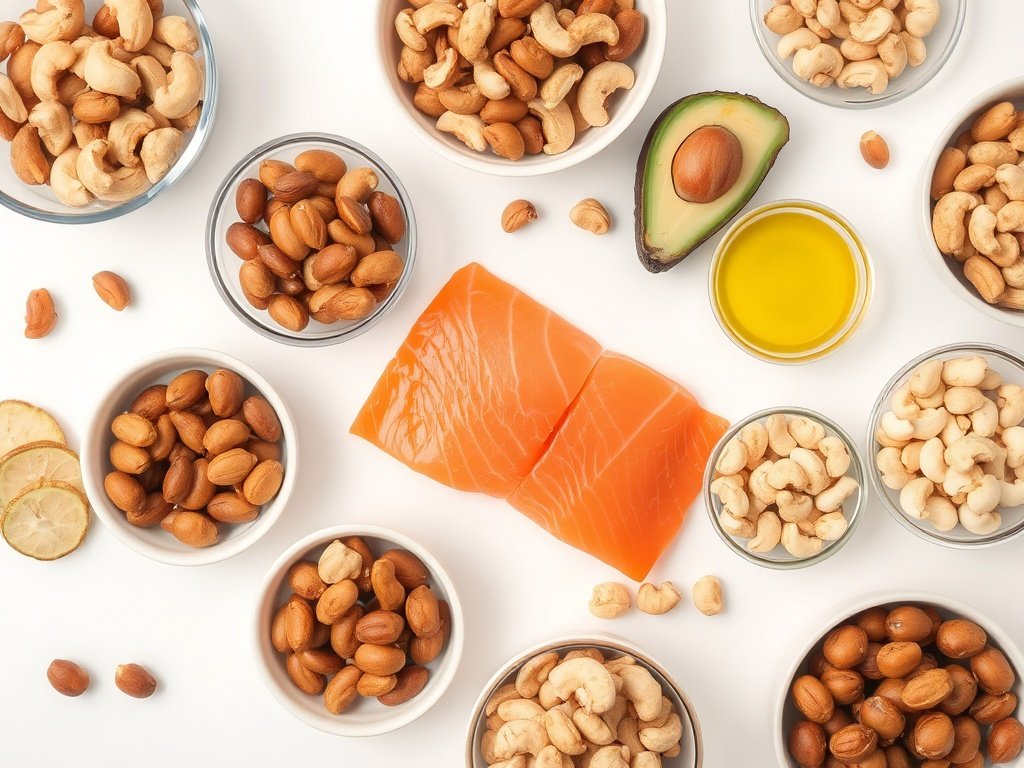
Dietary protein intake directly influences the body’s ability to maintain normal levels. Foods rich in lean meats, fish, eggs, dairy, legumes, and nuts provide essential amino acids. Malnutrition or restrictive diets may impair production over time. Balanced meals support liver function and overall protein synthesis. In developing regions, protein-energy malnutrition remains a major cause of deficiency. Hydration also plays a supportive role in maintaining stable blood composition. Consulting a healthcare provider before making major dietary changes ensures safe improvements. Good nutrition remains a foundational pillar for sustaining healthy biochemical markers.
Impact of Liver Disorders on Plasma Protein Production Capacity
Chronic liver diseases such as cirrhosis significantly reduce the liver’s ability to synthesize proteins. Scar tissue gradually replaces healthy liver cells, impairing production processes. As levels decline, fluid imbalance and swelling become more noticeable. Blood tests help monitor disease progression and treatment response. Early diagnosis improves management outcomes. Avoiding excessive alcohol consumption and maintaining a healthy weight protect liver health. Vaccination against hepatitis viruses further reduces risk. Recognizing symptoms like jaundice or abdominal swelling encourages timely medical consultation. Protecting liver function is central to maintaining stable protein synthesis.
Clinical Symptoms That May Indicate Imbalance in Blood Protein Levels
Symptoms of imbalance can vary depending on severity and underlying cause. Swelling in the legs or abdomen may signal fluid leakage due to low levels. Persistent fatigue and weakness are also common. In severe cases, breathing difficulty may occur if fluid accumulates in the lungs. Dehydration-related elevation may present with dry skin and increased thirst. Because symptoms are often nonspecific, laboratory testing is essential for confirmation. Paying attention to bodily changes promotes early detection. Timely medical evaluation can prevent complications and support effective treatment strategies.
Treatment Approaches and Lifestyle Adjustments for Optimal Balance
Treatment depends on identifying and addressing the root cause. For malnutrition, improving dietary intake may restore normal values. Liver or kidney diseases require specialized medical management. In hospital settings, intravenous protein infusions may be used in severe cases. Hydration therapy corrects concentration-related imbalances. Lifestyle modifications such as balanced nutrition, regular exercise, and alcohol moderation support recovery. Ongoing monitoring ensures stability over time. Collaboration between patients and healthcare providers leads to better outcomes. Preventive care remains the most effective approach for maintaining healthy physiological function.
Preventive Strategies to Protect Long-Term Liver and Kidney Health
Preventing imbalance begins with protecting the organs responsible for production and filtration. Regular health checkups allow early detection of abnormalities. Managing chronic conditions like diabetes and hypertension reduces organ stress. Staying physically active enhances circulation and metabolic efficiency. Avoiding smoking and excessive alcohol intake preserves liver integrity. Drinking adequate water supports kidney filtration. Vaccinations and safe hygiene practices prevent infections that could harm organs. Awareness of personal health history guides proactive decisions. Consistent preventive habits ensure stable internal balance and reduce risk of serious complications.
Conclusion: Why Understanding Albumīns Is Essential for Overall Health
Understanding albumīns provides valuable insight into how the body maintains balance, transports nutrients, and supports organ function. This essential plasma protein reflects liver health, kidney efficiency, hydration status, and nutritional well-being. Monitoring levels through routine testing allows early detection of potential problems. By maintaining a balanced diet, staying hydrated, and protecting vital organs, individuals can support stable protein production. Awareness and preventive care significantly reduce health risks. Ultimately, knowledge empowers better decision-making and promotes long-term wellness through informed lifestyle and medical choices.
FAQs
What does albumīns do in the body?
It maintains fluid balance in blood vessels and transports hormones, nutrients, and medications throughout the body.
What causes low albumin levels?
Common causes include liver disease, kidney disorders, malnutrition, severe infections, and chronic inflammation.
Can dehydration affect albumin test results?
Yes, dehydration can temporarily increase measured levels due to concentrated blood plasma.
How is albumin tested?
A simple blood test, often part of a metabolic panel, measures its concentration in grams per deciliter.
What are symptoms of low albumin?
Swelling in the legs or abdomen, fatigue, weakness, and delayed wound healing are common signs.
Can diet improve albumin levels?
Yes, consuming adequate protein from balanced meals supports healthy production if liver function is normal.
Is albumin related to kidney disease?
Yes, damaged kidneys may leak protein into urine, leading to reduced blood levels and requiring medical evaluation.
Fore more info: Primeblast.co.uk
